05 - When hesitation enters the system
Hesitation rarely shows up as a clear pause. It settles in more quietly, shaping how people respond before anyone really notices.
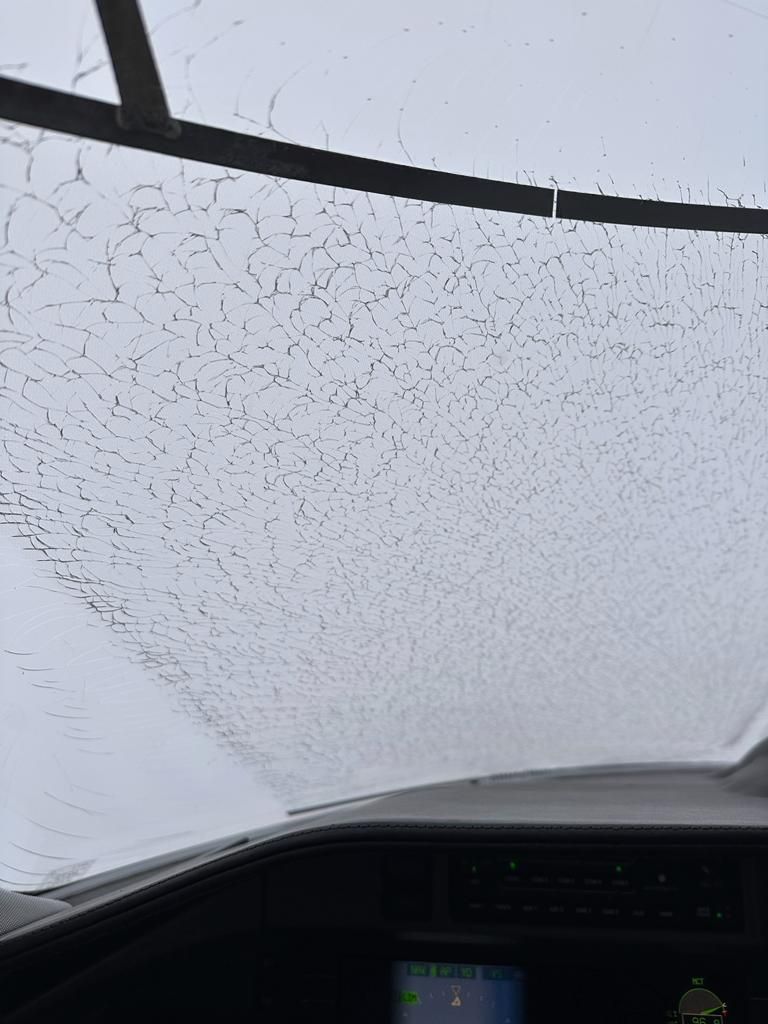
Some years ago, during a climb through seventeen thousand feet, a sharp crack filled the cockpit. For a brief moment the sound was the only clear piece of information. The windshield in front of the left seat had fractured, and the outside view disappeared behind a network of cracks.
We didn't understand it yet. We didn't know what had caused it or whether the damage would hold, and we had no sense of how it might develop from there. What mattered immediately was keeping the aircraft stable while we started working out what we were dealing with.
We levelled off and told air traffic control we'd maintain altitude while assessing the situation. The instruments became our first reference. Cabin pressure stayed stable, the aircraft behaved normally, and nothing pointed to the situation getting worse.
Only once that was clear did we take out the checklist.
Procedures exist for situations like this, and what they do is structure the uncertainty rather than remove it. Some elements become clearer, others stay open. The decision that follows doesn't wait for full reassurance. It comes at the point where there's enough understanding to move, even with questions still remaining.
We reduced altitude and coordinated a diversion to Prague, where we landed the aircraft without further complication.
Looking back, it's not the event itself that stands out. It's how the situation developed around it: the uncertainty never disappeared, and it never turned into hesitation either, because as a crew we'd accepted early on that the picture would stay incomplete and that decisions still had to happen inside that.
In many organizations, hesitation takes hold differently. Action gets expected to wait until the picture feels complete, so the search for reassurance continues. Discussions stretch out and the analysis grows more detailed, while the moment of commitment keeps sliding further away.
From the outside this can look careful. Underneath, it often reflects the assumption that clarity will eventually show up if we just stay with the situation long enough.
Operational environments rarely allow that. The situation keeps evolving while we're still trying to understand it.
Direction appears when people accept that their understanding stays partial and that movement can't wait for doubt to disappear. Decisions become possible once hesitation stops taking hold of the system.
If this resonates in your organization, I explore this further in keynote sessions. Click for more.
